
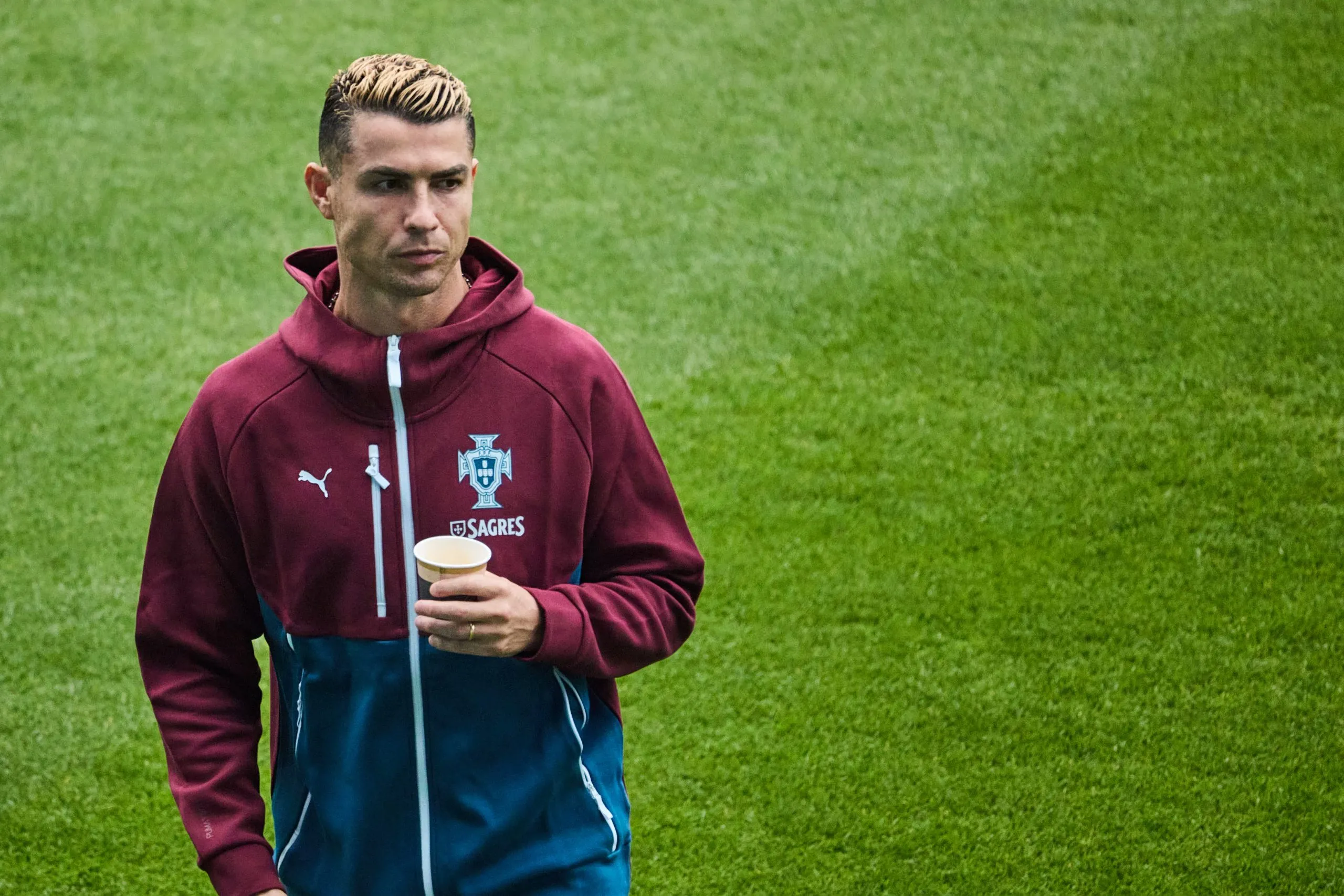
Die Ära von Cristiano Ronaldo in der portugiesischen Nationalmannschaft scheint nach den jüngsten Ereignissen in Kopenhagen ein plötzliches und kontroverses Ende gefunden zu haben. Der 41-jährige Superstar hat das Team Berichten zufolge verlassen, nachdem er im Spiel gegen Norwegen keine Einsatzzeit erhielt. Dieser Abgang folgt auf Spannungen bezüglich der Kaderauswahl und der sich entwickelnden taktischen Anforderungen der portugiesischen Mannschaft. Dieser Artikel untersucht die Umstände seines Ausscheidens, den Konflikt zwischen individuellem Vermächtnis und Teamdynamik sowie die Bedeutung für die Zukunft des portugiesischen Fußballs.
Why did Cristiano Ronaldo leave the Portugal national team?
The departure of Cristiano Ronaldo from the Portugal national team was triggered by a lack of playing time and subsequent friction with the coaching staff. During the recent encounter against Norway, the veteran striker did not receive a single minute of action on the pitch. This exclusion, combined with the public statements made by head coach Jorge Jesus following the match, created a situation that led Ronaldo to leave the squad via private jet.
This exit marks a difficult end for a player who has defined Portuguese football for over two decades. Ronaldo leaves the national setup with an extraordinary record, including 234 appearances and 146 goals. While his statistical contribution is unmatched, the circumstances of his exit suggest a fundamental breakdown in the relationship between the player's expectations and the team's current direction.
How does age impact the performance of a veteran star?
Biological reality and the natural aging process present challenges that even elite discipline cannot entirely overcome. At 41 years old, the physical capabilities and on-field movement of a footballer are fundamentally different from those of a player in their mid-20s or early 30s. Even with Ronaldo's legendary work ethic and professional standards, the physiological demands of international football change over time.
The core of the issue lies in the distinction between mental readiness and physical execution. While a player may maintain the psychological drive to compete at the highest level, the body's ability to sustain high-intensity sprints, recover quickly, and maintain tactical positioning diminishes. This creates a gap between the player's desire to be the protagonist and the tactical requirements of a modern, high-tempo national team.
The physiological shift in elite athletes
In professional football, the transition from a peak athlete to a veteran involves more than just a loss of speed. It involves changes in recovery cycles and the ability to influence games through continuous movement. For a player like Ronaldo, whose game has historically relied on explosive bursts and high-intensity positioning, these changes become increasingly evident to coaches looking to implement modern pressing systems.
What is the conflict between individual legacy and team dynamics?
A national team cannot function solely around the reputation of a single individual, regardless of their historical importance. The Portuguese squad has transitioned into a new era characterized by speed, technical quality, and a rising generation of talent capable of taking on primary roles. This shift was evidenced by Portugal's 2-1 victory over Norway, a match where the team demonstrated it could succeed without relying on a single focal point.
The paradox of Ronaldo's presence is that the very personality that drove Portugal to greatness for twenty years may now act as a weight on the collective. There is an inherent tension when a legendary figure expects the team to adapt to them, rather than adapting to the evolving needs of the squad. A successful national team must operate as a cohesive unit where the collective objective supersedes individual statistical pursuits.
The evolution of the Portuguese squad
The current Portuguese roster possesses a depth that did not exist during the early years of Ronaldo's international career. With a blend of experienced leaders and high-potential youngsters, the team's tactical flexibility is now a priority. Coaches are increasingly tasked with balancing the emotional value of having a legend in the squad with the pragmatic necessity of field performance.
Can a captain's value be measured beyond playing minutes?
The role of a captain involves responsibilities that extend far beyond the time spent on the pitch. A true leader provides value through mentorship, psychological support, and helping the team navigate difficult moments, even from the bench. For Ronaldo, the challenge lies in accepting that his contribution to the national team can take different forms as he ages.
The transition from being the central protagonist to a supporting leader is one of the most difficult shifts for any elite athlete. During the recent World Cup, observers noted instances where Ronaldo's constant demand for the ball and singular focus on scoring goals occasionally disrupted the team's tactical flow. Embracing a role that prioritizes the team's structural integrity over individual goal-scoring records is essential for a veteran leader's continued relevance.
What does the future hold for Portuguese football?
Portuguese football is entering a post-Ronaldo era that requires a new strategic identity. The departure of the most decorated player in the nation's history forces the federation and the coaching staff to solidify a system that does not depend on individual brilliance. The focus must shift toward sustaining the momentum of the new generation that has already shown it can win high-stakes matches.
While Ronaldo's legacy is permanent and his achievements are indisputable, the national team must look forward. The success of the next cycle will depend on how well the squad integrates its emerging talents and whether the coaching staff can maintain tactical discipline without the gravity of a superstar to pull the team's focus.
Frequently asked questions
Why did Cristiano Ronaldo leave the Portuguese national team?
Ronaldo left following a lack of playing time during the match against Norway and subsequent friction with coach Jorge Jesus. The tension between his desire to play and the coach's tactical decisions led to his abrupt departure from the squad via private jet.
What are Ronaldo's career stats for Portugal?
Cristiano Ronaldo has achieved a historic record for the Portuguese national team, consisting of 234 appearances and 146 goals. These figures solidify his status as one of the most prolific goalscorers in the history of international football.
How old is Cristiano Ronaldo now?
As of the current reporting in October 2026, Cristiano Ronaldo is 41 years old. This age is a significant factor in the discussions regarding his physical suitability for the high-intensity demands of international football.
Is the Portuguese team still successful without him?
Yes, the Portuguese team has shown it can remain competitive. Their recent 2-1 victory over Norway demonstrated that the new generation of players possesses the quality and speed to win matches without relying on Ronaldo as the central figure.
What was the impact of the match against Norway?
The match against Norway served as a catalyst for the current crisis. Ronaldo's exclusion from the starting lineup and his subsequent exit from the team highlighted the growing divide between the veteran player and the team's tactical direction.
Key takeaways
- Cristiano Ronaldo left the Portugal national team after receiving no playing time against Norway.
- Ronaldo holds a record of 234 appearances and 146 goals for Portugal.
- At 41, Ronaldo faces challenges regarding the physical demands of modern football.
- The Portuguese squad is transitioning toward a new generation of players.
- The departure follows tensions with head coach Jorge Jesus.
Conclusion
The departure of Cristiano Ronaldo from the Portugal national team marks the end of an era defined by unprecedented individual achievement and national growth. While his exit appears unceremonious, it highlights the inevitable friction between legendary status and the evolving tactical realities of professional sport. Portugal now faces the challenge of building a sustainable future that honors its history while embracing a new, collective identity. The focus must remain on the strength of the squad as a whole, ensuring that the next chapter of Portuguese football is defined by teamwork rather than individual stardom.