
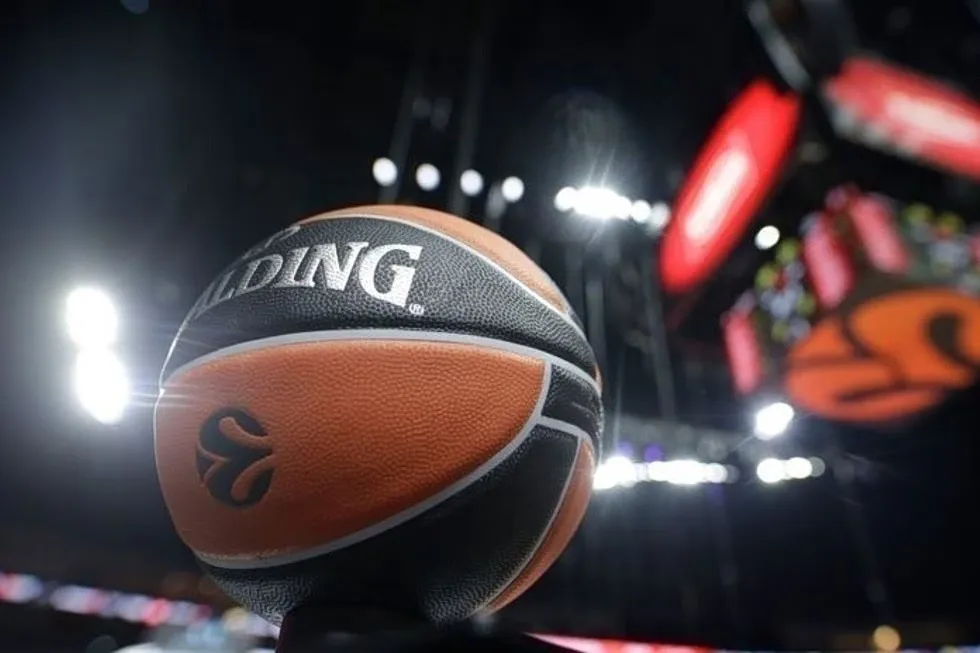
Die bevorstehende Generalversammlung in Como markiert einen entscheidenden Wendepunkt für den europäischen Basketball. Die Euroleague bewegt sich entschlossen auf ein neues Franchise-Modell zu, das die Struktur des Wettbewerbs grundlegend verändern wird. Im Zentrum der Diskussionen steht dabei nicht nur die Erweiterung des Teilnehmerfeldes, sondern auch die strategische Überlegung eines möglichen NBA-Buyouts. Diese Entwicklungen könnten die Machtverhältnisse im weltweiten Basketballsport nachhaltig verschieben und neue finanzielle Dimensionen eröffnen. Die Entscheidung der Mitglieder in Como wird darüber bestimmen, wie die Zukunft des europäischen Spitzenbasketballs unter dem neuen wirtschaftlichen Vorzeichen gestaltet wird.
What is the focus of the Euroleague General Assembly in Como?
The Euroleague General Assembly, scheduled for the weekend of October 5-6, 2026, in Como, represents a pivotal moment for the future of European basketball. The meeting brings together the 13 current shareholder clubs—including Real Madrid, Barcelona, Panathinaikos, and Olympiacos—to address structural shifts in the competition. While the agenda includes several pressing administrative matters, two major topics dominate the discourse: the potential NBA buyout and the massive expansion of the league's membership.
The shareholder clubs are tasked with voting on a formal proposal regarding an acquisition from the NBA, a move that could fundamentally alter the relationship between European and American basketball ecosystems. Simultaneously, the assembly will address the transition of the league into a franchise-based model, selecting eight new permanent members to join the existing elite. This expansion is not merely a numerical increase but a strategic restructuring intended to secure the long-term commercial and competitive viability of the organization.
The 13 current shareholders
The decision-making power rests with the current core members. These 13 clubs represent the established backbone of the league and will be responsible for voting on the future direction of the organization. The current shareholders include:
- Spain: Real Madrid, Barcelona, and Baskonia
- Greece: Panathinaikos and Olympiacos
- Turkey: Anadolu Efes and Fenerbahçe
- Italy: Armani Milano
- Israel: Maccabi Tel Aviv
- Lithuania: Zalgiris Kaunas
- Germany: Bayern Munich
- France: ASVEL Villeurbanne
- Russia: CSKA Moscow
These clubs will weigh the merits of the NBA proposal against the benefits of the new franchise model, ensuring that any expansion or structural change aligns with the interests of the existing stakeholders. The outcome of these votes will determine whether the league maintains its current trajectory or undergoes a radical transformation driven by external investment or internal restructuring.
Who are the candidates for the new Euroleague franchises?
Eleven teams have successfully navigated the initial selection stages and are now competing for only eight available franchise spots. The list of candidates reflects a diverse geographical and economic spread, highlighting the league's intent to penetrate new markets while reinforcing traditional basketball strongholds. Among the most prominent applicants are:
- Valencia
- Virtus Bologna
- Paris
- Hapoel Tel Aviv
- Crvena Zvezda
- Partizan
- Napoli
- Dubai BC
- London Lions
- Maxima Roma
Greek basketball is heavily represented in this race, with both PAOK and Aris Thessaloniki having submitted formal applications. The inclusion of these historic clubs underscores the importance of the Mediterranean market in the Euroleague's growth strategy. Other notable interests have been expressed by Hapoel Jerusalem, Besiktas, and Zenit Saint Petersburg. However, the candidacy of Zenit remains subject to significant geopolitical variables, specifically the resolution of the conflict in Ukraine, which could impact their eligibility and participation.
How will the Euroleague select the eight new members?
The Euroleague will not rely solely on financial strength to make its final determinations. According to reports from the Spanish outlet Marca, while economic stability is a prerequisite, the organization is implementing a rigorous due diligence process to ensure that new members contribute to the league's overall brand value and competitive standard. The selection process is designed to identify sustainable, long-term partners rather than clubs that simply possess the highest immediate capital.
The organization is subjecting all candidates to a second and final due diligence process—a thorough check of their proposals to verify the accuracy of information and identify potential risks. The league is looking for organizations capable of sustaining multi-million euro investments over a long period, rather than short-term contributors. This scrutiny is intended to prevent the entry of clubs that might struggle to maintain the high standards required by the franchise model.
The Four Pillars of Selection Criteria
To move beyond simple financial metrics, the Euroleague has established several critical pillars for evaluation:
1. Sporting Performance and Competitive Level
The first and foremost criterion is athletic merit. The Euroleague will evaluate each club's competitive history, their organizational structure, and their past results. Crucially, the league is looking for teams with the proven ability to remain at the top of the competition. A large financial plan is insufficient if the club cannot compete at the highest level; the organization seeks teams that can upgrade the standards that have characterized the Euroleague for years. This ensures that the expansion increases, rather than dilutes, the quality of play on the court.
2. Identity and Financial Stability
The identity of the individuals behind each candidacy will play a decisive role. This includes examining the ownership structure, available resources, and the overall stability of the project. The Euroleague requires full transparency regarding the schemes of those aspiring to become shareholders to ensure they possess the necessary financial backing to maintain long-term investments. The goal is to avoid instability that could disrupt the league's long-term planning.
3. Reputation and Institutional Reliability
Reputation will serve as a determining factor. The organization will scrutinize the history, institutional reliability, behavior, and image of each club, both on and off the court. A franchise member must be more than just a source of money and players; they must be a reliable partner to the other shareholders and contribute positively to the Euroleague brand. This pillar ensures that new members align with the values and professional image the league seeks to project globally.
4. Market Potential and Fan Base
The fourth pillar focuses on the market each candidate can develop. This includes the city's population, economic prospects, and the ability to attract fans and sponsors. For example, London represents a strategic opportunity in a market that has not yet been fully conquered. Conversely, cities in Italy, Greece, and France are valued for their rich basketball traditions. The league will also assess the impact on media and the ability to attract interest beyond the club's immediate city limits, looking for clubs that act as engines of growth.
Conclusion
The decisions made in Como this weekend will define the landscape of European basketball for years to come. By balancing sporting excellence, financial rigor, institutional reputation, and market expansion, the Euroleague aims to transition into a robust franchise model. Whether through the selection of the eight new members or the potential NBA acquisition, the goal remains the same: to build a sustainable, high-level competition that serves as a global leader in the sport.
Frequently Asked Questions
Which teams are applying for the Euroleague expansion?
The primary applicants include PAOK, Aris, Valencia, Virtus Bologna, Paris, Hapoel Tel Aviv, Crvena Zvezda, Partizan, Napoli, Dubai BC, London Lions, and Maxima Roma. Hapoel Jerusalem, Besiktas, and Zenit have also expressed interest.
Will the Euroleague choose teams based only on money?
No. While economic stability is important, the Euroleague will also use sporting performance, reputation, ownership identity, and market potential as key selection criteria.
How many new teams will join the league?
The Euroleague intends to select eight new teams to join as permanent franchises from the pool of applicants.
Key Takeaways
- The Euroleague General Assembly in Como will decide on an NBA buyout and the expansion of the league.
- Eleven teams are in the final stages of selection for eight available franchise spots.
- Selection criteria include sporting performance, financial stability, reputation, and market potential.
- Greek clubs PAOK and Aris are among the candidates.