
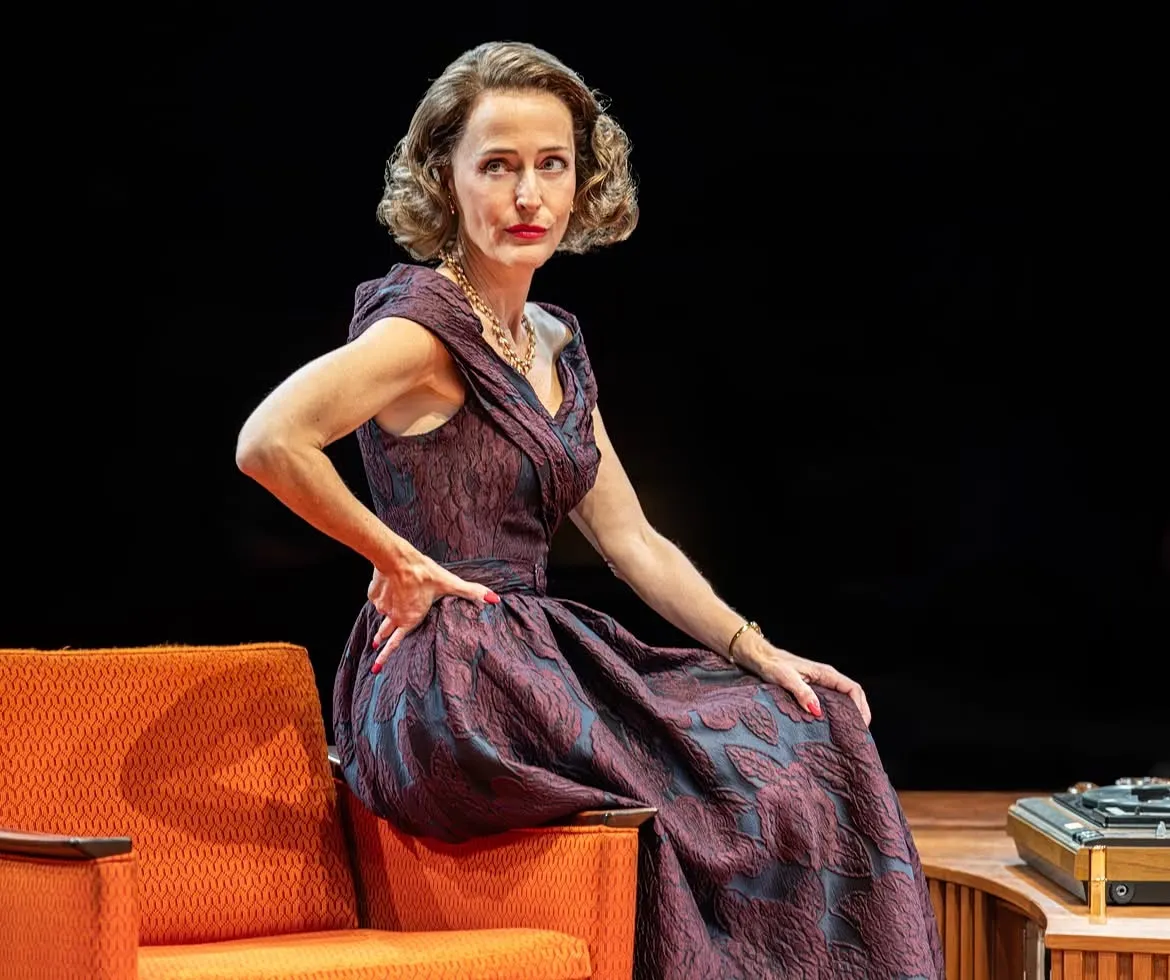
Gillian Anderson sieht sich nach Kommentaren zur Sitzordnung während ihrer West-End-Performance öffentlicher Kritik ausgesetzt. Die Schauspielerin bat ihre Fans darum, nicht wiederholt in der ersten Reihe zu sitzen, um Ablenkungen während des Stücks zu vermeiden. Dieser Vorfall, der auf einem Video vor dem Soho Place festgehalten wurde, hat eine breitere Debatte über die Grenzen von Fan-Enthusiasmus und professioneller Konzentration in intimen Theaterumgebungen neu entfacht. Dieser Artikel untersucht den spezifischen Vorfall, Andersons anschließende Klarstellung sowie den wachsenden Trend von Darstellern, das Verhalten des Publikums direkt anzusprechen und so die Arbeitsatmosphäre auf der Bühne zu schützen.
Why did Gillian Anderson's comments spark a controversy?
Gillian Anderson became the center of a social media debate after a video surfaced showing her addressing a group of women regarding their seating choices. The footage, which circulated widely on TikTok, captured the actress outside the Soho Place in London, where she is currently performing in 'Who's Afraid of Virginia Woolf?'. In the recording, Anderson expressed frustration with spectators who consistently occupy the front row, stating that their presence was significantly distracting to her performance.
According to reports from the Guardian, the 58-year-old actress, who plays the role of Martha in Edward Albee's classic play, told the group that they could not sit in the front row repeatedly. She noted that such proximity was causing her to lose focus. While the women in the video were not clearly identified, they were heard responding with apologies, acknowledging her request. The tension arose from the perceived conflict between the desire of fans to be close to a star and the professional necessity of the performer to maintain an immersive environment.
The impact of proximity in intimate venues
The architectural layout of modern West End theaters often prioritizes intimacy, which can create a unique set of challenges for actors. In smaller venues like Soho Place, the physical distance between the stage and the audience is minimal. This proximity means that every movement, expression, or even a subtle shift in the audience can be detected by the performers. For an actor engaged in a high-stakes dramatic role, these micro-distractions can disrupt the emotional continuity required for a successful performance.
How did Gillian Anderson respond to the backlash?
Gillian Anderson utilized social media to clarify the context of the video and defend the individuals involved. Following the viral spread of the clip, she took to the platform X to explain that the women being addressed were not strangers, but rather acquaintances she has known for over 20 years. She explicitly requested that the public refrain from directing negative comments toward them, aiming to mitigate the online backlash that had targeted the group.
In her clarification, Anderson also provided a professional rationale for her request. She explained that the intimate nature of the theater makes it impossible for actors to ignore the front row. She noted that while the cast is enthusiastic about the production, the visibility of the audience in such close quarters can occasionally break the necessary concentration. Her statement concluded by emphasizing that the situation was resolved and that the production would continue as planned, attempting to move the conversation away from personal conflict and back to the art itself.
What is the impact of audience behavior on modern theater?
The incident involving Anderson highlights a growing tension in the performing arts between traditional theater etiquette and modern audience habits. As digital documentation becomes more prevalent, the line between being a spectator and being a participant in a performance has become increasingly blurred. Performers are finding it harder to maintain the 'fourth wall' when audience members are not only physically close but also digitally engaged with the stage.
The psychological impact on an actor is significant. When an audience member is perceived as being 'too close' or too active, it can trigger a self-consciousness in the performer. This is particularly true in psychological dramas where the actor must inhabit a specific emotional state. The distraction is not merely visual; it is an energetic disruption that can alter the pacing and intensity of a scene.
The evolution of the 'Fourth Wall'
Historically, the fourth wall served as an invisible barrier that allowed the audience to observe a world without being part of it. However, in contemporary immersive or intimate theater, this barrier is intentionally thin. When audiences exploit this thinness—whether through constant movement, excessive proximity, or digital recording—they risk collapsing the very illusion that makes theater a unique medium. This shift has forced a re-evaluation of how theaters manage audience expectations and how performers communicate their professional boundaries.
Is Gillian Anderson the only actor facing this issue?
Gillian Anderson is part of a larger trend of high-profile actors addressing audience conduct throughout 2026. Several prominent performers have recently voiced concerns about how spectators interact with the live performance environment, citing issues ranging from mobile phone usage to intrusive filming. This suggests a systemic shift in how the relationship between the stage and the stalls is being managed in the UK theater scene.
In September, Kate Blanchett addressed her audience during 'Electra/Persona', requesting that they refrain from using mobile phones during the curtain call. She emphasized that the act of filming can diminish the shared experience for other audience members. Similarly, Rosamund Pike has criticized spectators for sending text messages during West End performances, noting that actors are acutely aware of the atmosphere and disruptions occurring within the auditorium.
The case of Cynthia Erivo is particularly notable; she had to interrupt her solo performance of 'Dracula' after realizing a spectator was filming her without permission. These collective incidents have reignited a national conversation in Britain regarding the boundaries of fan enthusiasm and the rights of performers to a focused working environment.
FAQ: Theater Etiquette and Performer Boundaries
Why is sitting in the front row distracting for actors?
In intimate theaters, actors have direct line-of-sight to the front row. Constant movement, intense staring, or repeated presence in these seats can break an actor's concentration and disrupt the emotional immersion required for the role, especially in high-intensity dramatic performances.
How did Gillian Anderson clarify the situation?
Anderson clarified on X that the women in the video were long-time acquaintances of hers. She asked the public not to direct negativity toward them and explained that her comments were a professional request to help maintain focus in a small, intimate venue.
What are the common distractions in modern theater?
Common distractions include the use of mobile phones, unauthorized video recording, text messaging, and excessive movement in the front rows. These behaviors disrupt the 'fourth wall' and can negatively impact both the performers and the experience of other audience members.
Why is video recording a problem in live theater?
Video recording can ruin the sense of spontaneity and shared presence that defines live theater. It also poses privacy and intellectual property concerns for the production and can be highly distracting for both the cast and the rest of the audience.
Is this a new problem for West End actors?
While theater etiquette has always been important, the rise of social media and mobile technology has intensified these issues. Recent incidents involving stars like Kate Blanchett and Cynthia Erivo show that managing audience behavior is a growing priority for modern performers.
Key takeaways
- Gillian Anderson requested that fans avoid the front row to prevent performance distractions.
- The actress clarified that the individuals involved were long-term acquaintances of hers.
- The incident highlights the challenges of performing in intimate venues like Soho Place.
- Other actors, including Kate Blanchett and Cynthia Erivo, have recently addressed similar audience issues.
The changing landscape of audience engagement
The controversy surrounding Gillian Anderson serves as a microcosm of a larger tension within the performing arts. As the boundaries between the stage and the audience continue to blur, the industry must navigate the delicate balance between fostering fan engagement and protecting the integrity of the performance. While enthusiasm is the lifeblood of the theater, the recent wave of interventions by prominent actors suggests that a new set of unwritten rules may be necessary to preserve the sanctity of the live experience in an increasingly digital age.
| Performer | Issue Addressed | Context/Production |
|---|---|---|
| Gillian Anderson | Front-row proximity/distraction | 'Who's Afraid of Virginia Woolf?' |
| Kate Blanchett | Mobile phone usage during curtain call | 'Electra/Persona' |
| Rosamund Pike | Text messaging during performance | West End production |
| Cynthia Erivo | Unauthorized video recording | 'Dracula' |