
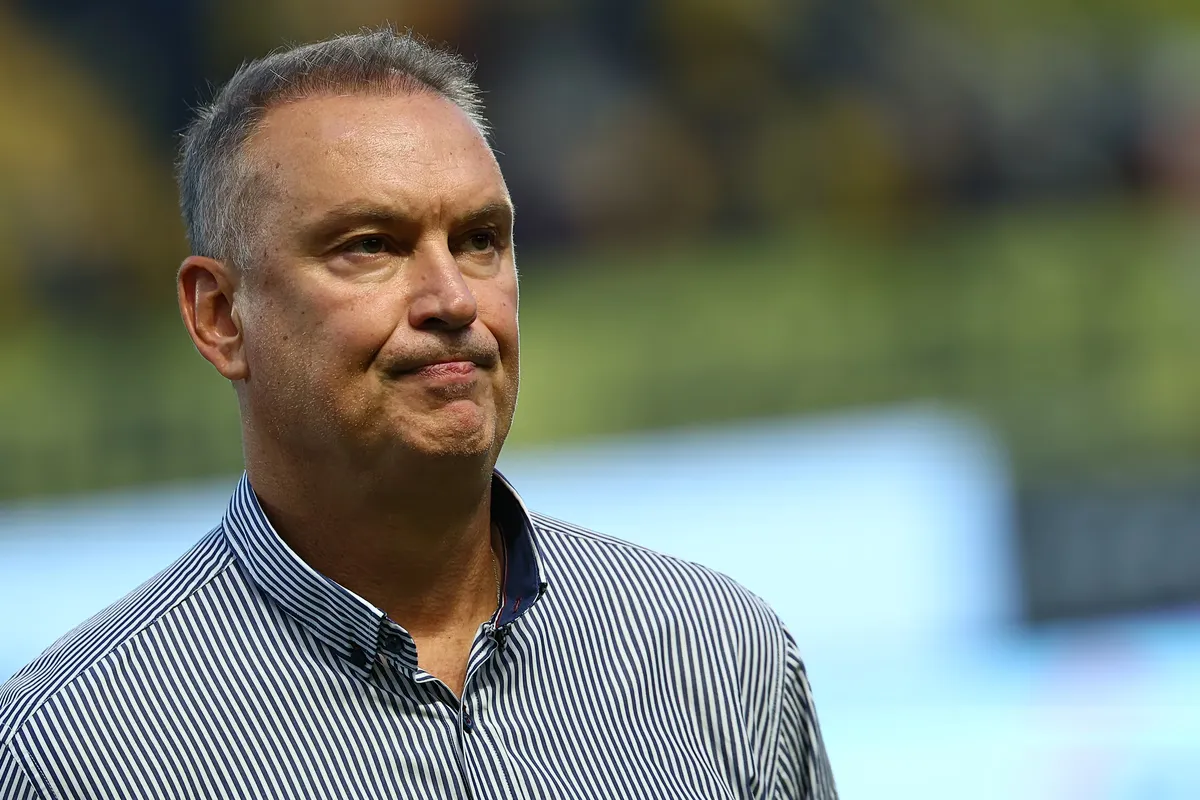
Michalis Grigoriou, der Cheftrainer von Aris FC, beschreibt den Auftakt der Saison 2026 als bittersüß. Trotz sieben Punkten aus fünf Spielen zeigt sich der griechische Taktiker unzufrieden mit der aktuellen Tabellensituation im Vergleich zur tatsächlichen Leistung der Mannschaft. Grigoriou betonte, dass die kommende internationale Pause ein entscheidendes Zeitfenster bietet, um taktische Abläufe und die körperliche Verfassung zu optimieren. Dieser Artikel analysiert seine detaillierte Einschätzung der letzten Spiele, die technischen Herausforderungen des Kaders sowie seine Erwartungen für den Neustart nach der Pause.
Why does Michalis Grigoriou describe the start as bittersweet?
Michalis Grigoriou views the current point tally as an incomplete reflection of Aris FC's true potential. While the team has accumulated seven points through five matches, the coach believes the squad deserves a higher standing based on the quality of play displayed on the pitch. The schedule has been particularly demanding, featuring three derbies and two away fixtures, which has tested the depth and resilience of the roster.
The coach noted that while the results are neither purely positive nor entirely negative, they do not align with the ambitions of the club or the talent available. He highlighted that the initial phase of the season was characterized by flashes of dominance interrupted by lapses in concentration, leading to a sense of missed opportunities that he intends to rectify in the coming weeks.
How has the team performed in recent key matches?
The performance of Aris FC has been a mixture of tactical dominance and sudden defensive vulnerabilities. Grigoriou provided a breakdown of the season's opening stages to illustrate this inconsistency.
- Early Success: The season began strongly with two consecutive victories, including a performance against OFI that the coach described as both deserved and aesthetically pleasing.
- The AEK Setback: A critical turning point occurred during the third matchday, where the team's structure collapsed within 30 minutes. Although they attempted a comeback by the 60-minute mark, the momentum was lost.
- The PAOK Encounter: Grigoriou argued that the outcome against PAOK was heavily influenced by external factors, specifically noting that a red card for the opposition would have fundamentally altered the match dynamics. He maintained that Aris was the superior side in this contest.
- The Iraklis Match: Despite achieving significant territorial dominance and creating numerous scoring opportunities, the team struggled with clinical finishing, failing to find the back of the net.
Analyzing the tactical lapses
The coach identified a recurring theme: the inability to maintain high-intensity play for the full 90 minutes. While the team can often control the tempo for segments of a match, they have struggled to sustain the necessary pressure to convert dominance into goals. This lack of continuity has been a primary driver of the 'bittersweet' sentiment expressed by the technical staff.
What role will the international break play in the team's evolution?
The current hiatus in league play is being utilized as a strategic tool to address technical and physical deficiencies. Grigoriou is using this period to move beyond individual skill and focus on collective tactical cohesion. He noted that the training sessions during this break have been intensive, focusing on 'automations'—the instinctive movements players make in relation to one another.
The coach is particularly concerned with the team's positioning in the final third. For Aris to succeed, every player must understand their specific role during attacking phases to ensure the team operates as a single unit rather than a collection of individuals. Furthermore, the break allows the coaching staff to stabilize the physical conditioning of the squad, ensuring that all players are operating at a synchronized level of fitness.
How is the squad management and roster depth being handled?
Grigoriou expressed high confidence in the quality and quantity of the current roster, noting that the recruitment period in August and September has provided him with significant tactical flexibility. He believes the squad possesses a healthy mix of experienced veterans and high-quality technical players, which is essential for navigating a difficult fixture list.
The coach specifically pointed to the attacking options as a strength. Having a surplus of players capable of contributing in the offensive third allows for rotation and tactical shifts during matches. However, he stressed that depth alone is insufficient; the new arrivals must fully integrate into the specific tactical philosophy he demands. The goal is to transition from individual excellence to a system where players instinctively know where their teammates will be during the transition from defense to attack.
Managing player confidence and psychological stability
A significant aspect of Grigoriou's current task is the psychological management of the players following recent setbacks. He observed that losses, such as the one against AEK, can impact a player's decision-making and offensive output. When confidence wavers, players tend to take fewer risks and perform fewer high-impact actions.
The coach intends to use the training environment to rebuild this mental resilience. By focusing on successful tactical drills and seeing the fruits of their labor in controlled settings, he aims to restore the players' belief in their ability to dominate matches. He views the upcoming matches not just as opportunities to gain points, but as a platform to prove to the fans that the team is capable of playing the brand of football they expect.
What are the expectations for the remainder of the season?
The promise from the Aris FC technical staff is one of significant improvement. Grigoriou has made it clear that the version of Aris the fans will see after the restart will be a more disciplined and effective unit. He is not merely looking for better results, but for a qualitative shift in how the team competes.
The upcoming schedule is viewed as a critical window to close the points gap created in the early stages of the season. Grigoriou believes that if the team can marry their inherent quality with the necessary tactical discipline, they will be able to secure the results that match their performance levels. His ultimate goal is to present a team that fights for every ball and plays with a level of sophistication that justifies the support of the Aris supporters.
Key takeaways
- Michalis Grigoriou describes the first five matches as bittersweet due to the gap between performance and points.
- Aris FC currently holds seven points, despite the coach believing the team deserves more.
- The international break is being used to improve tactical automations and physical synchronization.
- Grigoriou emphasizes the need for better positioning in the opponent's third to increase scoring efficiency.
- The coach remains optimistic about the squad's depth and its ability to recover in the upcoming fixtures.
FAQ: Michalis Grigoriou and Aris FC
Why is the coach dissatisfied despite having seven points?
Grigoriou feels the points do not reflect the team's dominance in several matches, such as against PAOK and Iraklis. He believes the squad's quality warrants a higher position in the standings and that missed opportunities have hindered their progress.
How does the coach plan to improve the team's performance?
The coach is focusing on tactical automations and collective positioning, particularly in the attacking third. He is also using the international break to ensure all players reach a synchronized level of physical fitness and tactical understanding.
What was the main issue in the match against AEK?
The primary issue was a loss of structural stability during the first 30 minutes of the game. While the team attempted to respond and regain control by the hour mark, they could not sustain the necessary pressure.
How does Grigoriou view the current squad depth?
He views the roster as very strong, noting that the recruitment in August and September has provided him with many solutions, especially in the attacking phases. He believes the mix of experience and quality is a major asset.
What is the main goal for the post-break restart?
The goal is to present a more differentiated and improved version of Aris FC. Grigoriou wants the team to play according to its quality, fight for results, and provide a performance that satisfies the fans.
Conclusion
Michalis Grigoriou's analysis reveals a coach who is acutely aware of the gap between tactical intent and match results. While the early season has been inconsistent, his focus on utilizing the international break for technical refinement and psychological rebuilding suggests a structured approach to recovery. By prioritizing tactical automations and physical synchronization, Grigoriou aims to transform Aris FC from a team of talented individuals into a cohesive, dominant unit. The upcoming fixtures will serve as the true test of whether his promises of a 'different Aris' can be realized on the pitch.